Leverage lets you control a larger position than your cash alone allows, by borrowing against a deposit called margin. This guide explains the concept because you will meet it in global markets and trading content — but note that NEPSE has no short selling and no leveraged derivatives or CFD trading. The closest thing in Nepal is regulated margin lending against shares from licensed lenders, which carries the same magnifying risk. Treat leverage here as a concept to understand, not a tool to use.
A simple example
With 5× leverage, Rs.10,000 of margin controls a Rs.50,000 position. A 2% move is Rs.1,000 — a 10% swing on your margin. A 20% adverse move could wipe your margin entirely.
Margin calls
If losses erode your margin below a threshold, you get a margin call — add funds or your position is closed automatically at a loss.
How to use it safely
- Start with little or no leverage.
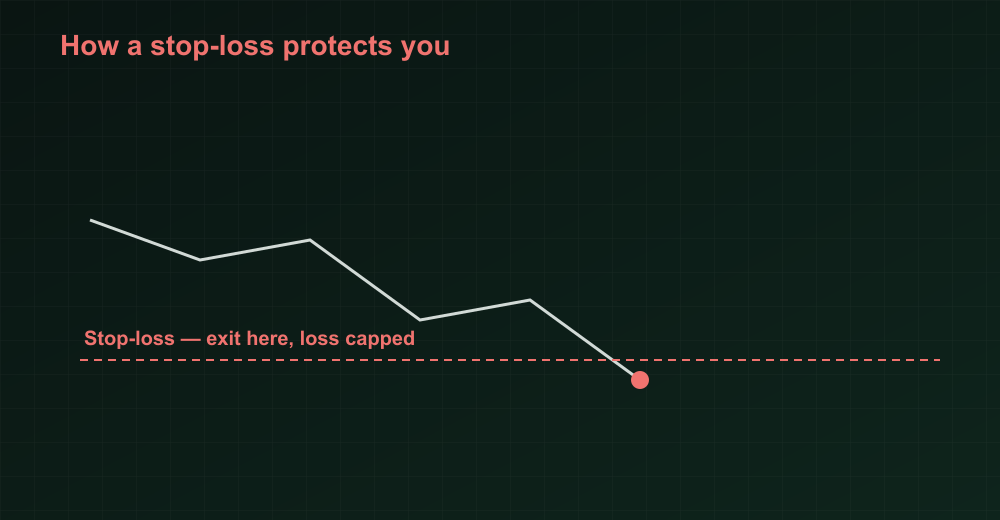
- Always use a stop-loss.
- Size positions on total exposure, not just margin.
- Master risk management on unleveraged trades first.
Key takeaways
- Leverage magnifies gains and losses equally.
- Margin is your deposit against a larger position.
- A margin call can force-close you at a loss.
- On NEPSE, focus on unleveraged trades with a stop-loss.
Practise this on ShareRocketPro
Sign up with your name, phone number and a password, get Rs. 10,000 in practice money and trade every NEPSE scrip in our 24/7 practice market — virtual money with no cash value, so zero real-money risk.